
The City’s Concealed Epidemic
Death in VeniceThis flow traces the progression from official evasion to Aschenbach’s discovery of cholera and his culpable decision to keep silent.
increasing Bearing strength in each event
 decreasing
Bearing strength in each eventdecreasingA Vanishing Crowd

A Vanishing Crowd
Unusual departures
Aschenbach notices that the hotel is losing guests, especially German visitors. The thinning company suggests that something is happening beyond the ordinary changes of the tourist season.
Suspicion gathers
A barber’s casual reference to plague gives the departures a possible explanation. Aschenbach’s curiosity shifts from private observation to investigation of a public danger.
A Sweetish Odor
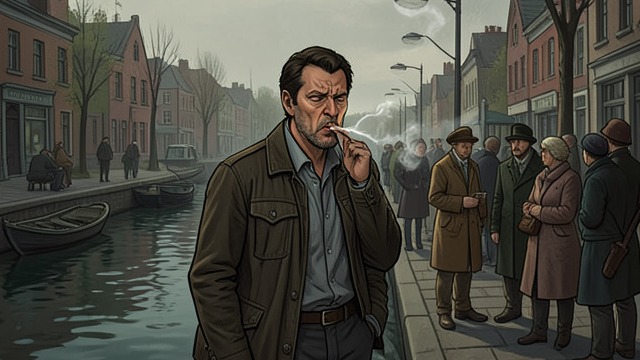
A Sweetish Odor
Clues in the air
In Venice, Aschenbach recognizes a medicinal, sickening smell and notices warnings about food and canal water. The official notices are phrased as ordinary precautions, but their careful vagueness raises his alarm.
Evasion in public
A shopkeeper dismisses his questions as concern about weather. The city’s reassurance seems less convincing than the odor and the anxious, silent gatherings around him.
Rumor and Denial
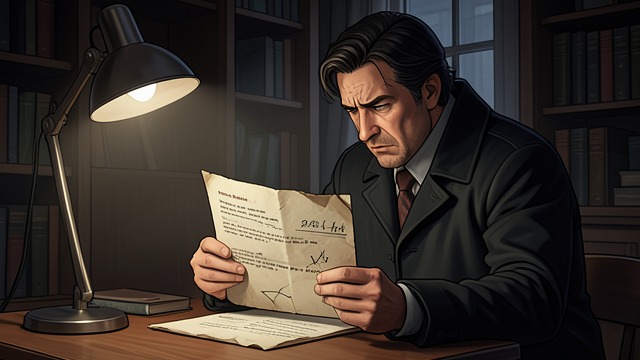
Rumor and Denial
Conflicting accounts
Aschenbach reads local reports that combine partial statistics with official denials. The departure of German and Austrian guests confirms that the rumors are affecting behavior, even as the city avoids a direct admission.
Private satisfaction
Instead of simply responding with concern, he feels a disturbing excitement at the disorder. The epidemic begins to join his own secret desire as a source of forbidden possibility.
The Clerk’s Confession
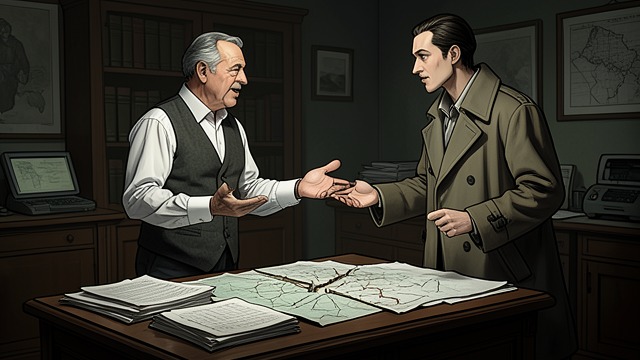
The Clerk’s Confession
The truth disclosed
An English clerk privately explains the cholera’s spread, its severity, and the authorities’ efforts to protect tourism through concealment. Aschenbach finally possesses reliable information.
Knowledge creates a duty
The clerk urges him to leave promptly. The warning also gives Aschenbach the chance to protect Tadzio’s family, turning uncertainty into a moral test with immediate stakes.
Silence Chosen

Silence Chosen
A warning withheld
Aschenbach considers telling Tadzio’s mother that Venice is infected. He recognizes that such a warning could send the family away and end his daily access to the boy.
Desire over responsibility
He suppresses the warning and remains. His complicity echoes the authorities’ concealment, but his private motive is attachment rather than commerce or civic reputation.
During Aschenbach’s fourth week at the Lido
That afternoon at Piazza San Marco
The evening after his first inquiries
The following afternoon at a travel bureau
That evening after learning the facts
